
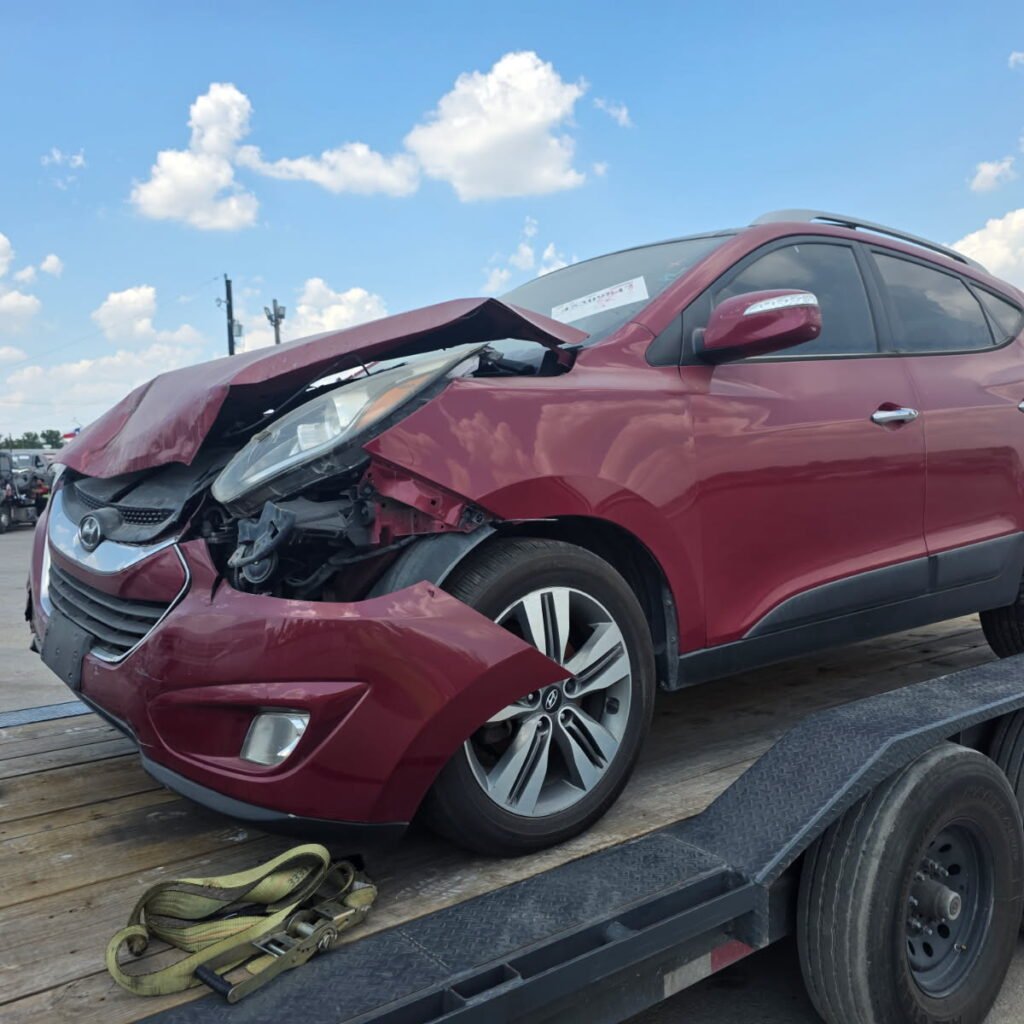
Not every vehicle can simply be driven onto a car carrier. Every day, transport companies move vehicles that have mechanical issues, collision damage, missing parts, or cannot start at all.
If your vehicle is inoperable, providing accurate information before pickup is critical. It helps the carrier bring the right equipment, prevents delays, and avoids additional fees.
At MA1 USA Auto Transport LLC, we transport thousands of vehicles every year, including salvage vehicles, auction purchases, damaged cars, heavy-duty trucks, and non-running vehicles throughout the United States.
What Does “Inoperable Vehicle” Mean?
An inoperable vehicle is one that cannot be loaded normally because it cannot move under its own power or has physical damage that affects loading.
Examples include:
- Dead battery
- Engine failure
- Transmission problems
- Flat tires
- Locked steering wheel
- Brake failure
- Collision damage
- Missing wheels
- Flood-damaged vehicles
- Fire-damaged vehicles
These vehicles require additional equipment such as a winch or forklift for safe loading.
12 Important Things You Must Tell Your Transport Company
1. Does the Vehicle Start?
Be honest if the engine does not start.
A non-running vehicle requires a carrier equipped with a winch or other loading equipment.
2. Does It Roll Freely?
Even if the engine doesn’t run, the vehicle may still roll.
Tell your transporter if:
- Wheels turn normally
- Brakes are locked
- Transmission is stuck
- Steering is locked
This information determines how the vehicle can be loaded.
3. Is It a Salvage or Auction Vehicle?
Vehicles purchased from:
- Copart
- IAA
- Insurance auctions
- Government auctions
often have unknown damage.
Providing auction details helps the transporter prepare for pickup.
4. Describe Any Accident Damage
Inform your transporter if the vehicle has:
- Front-end damage
- Rear-end damage
- Side damage
- Roof damage
- Suspension damage
Photos are always helpful.
5. Are Any Wheels Missing?
Vehicles with missing wheels require special loading methods.
Never assume the transporter already knows this.
6. Flat Tires Matter
Flat tires can prevent normal loading.
Let your dispatcher know if one or more tires won’t hold air.
7. Oversized Trucks Need Extra Space
Heavy-duty pickups may require special trailers.
Examples include:
- Ford F-350 Dually
- Ram 3500 Dually
- Chevrolet Silverado 3500 HD
- GMC Sierra 3500 HD
These trucks are wider and heavier than standard pickups.
8. Lift Kits and Oversized Tires
Modified trucks with:
- Lift kits
- Oversized tires
- Long bumpers
- Wide fenders
can exceed standard carrier dimensions.
Always provide modification details.
9. Missing Keys
If keys are unavailable, loading becomes much more difficult.
Inform the transporter in advance if the keys are lost.
10. Fluid Leaks
Oil, coolant, fuel, or transmission leaks can create safety concerns during transport.
Report any significant leaks before pickup.
11. Low Ground Clearance
Sports cars or damaged vehicles with low clearance may require loading ramps or special handling to prevent additional damage.
12. Weight Changes Matter
If the vehicle contains:
- Heavy tools
- Spare parts
- Engines
- Tires
- Construction equipment
tell your transporter.
Extra weight affects loading and legal weight limits.
Why Accurate Information Saves You Money
Providing complete vehicle details helps:
- Avoid pickup delays
- Prevent rescheduling
- Ensure the correct carrier is assigned
- Reduce unexpected fees
- Improve delivery timelines
- Protect your vehicle during loading
Honest communication allows your transporter to arrive fully prepared.
Vehicles We Commonly Transport
Our carrier network transports:
- Salvage vehicles
- Insurance total-loss vehicles
- Non-running cars
- Luxury vehicles
- Classic cars
- Electric vehicles
- SUVs
- Pickup trucks
- Dually trucks (DRW)
- Single rear wheel (SRW) trucks
- RVs
- Motorcycles
- Commercial fleet vehicles
Frequently Asked Questions
Can a non-running vehicle be shipped?
Yes. Most non-operational vehicles can be transported with the proper loading equipment, such as a winch.
Is there an additional fee for inoperable vehicles?
In many cases, yes. The cost depends on the vehicle’s condition, size, and the equipment required for loading and unloading.
Can severely damaged vehicles still be transported?
Yes, but it’s important to disclose all known damage and provide photos when possible. This allows the transporter to plan the safest loading method.
Should I tell the transporter if my truck is a dually?
Absolutely. Dually (dual rear wheel) trucks are wider than standard pickups and may require different trailer configurations or loading arrangements.
Final Thoughts
Whether you’re shipping a salvage auction purchase, a collision-damaged vehicle, or a heavy-duty dually truck, the more information you provide, the smoother your transport experience will be.
Accurate details help your transporter assign the right equipment, avoid delays, and deliver your vehicle safely.
At MA1 USA Auto Transport LLC, we specialize in transporting both operable and inoperable vehicles across the United States. From auction pickups to oversized trucks, our experienced team is ready to coordinate safe and dependable vehicle transportation tailored to your needs.